
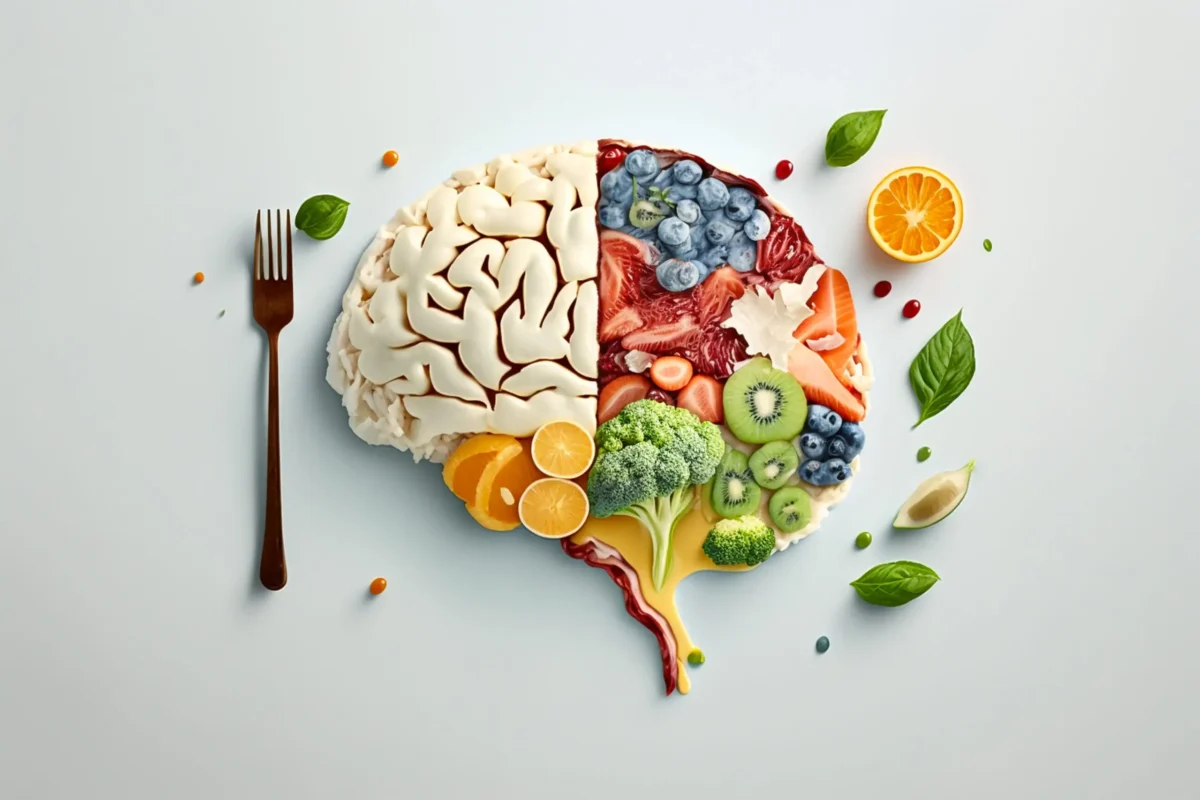


Your brain is the most complex and energy-demanding organ in your body. Weighing only about 1.4 kilograms, it consumes roughly 20% of your body’s total energy intake — and the quality of that energy source matters enormously. What you eat directly determines how well your brain functions: how clearly you think, how sharply you remember, how well you focus, and how resilient you are to stress and cognitive decline.
The science of nutritional neuroscience has advanced significantly in recent years, and the evidence is clear: a brain-boosting diet can measurably improve mental performance in the short term while protecting against cognitive decline, dementia, and depression in the long term. Here are the 10 best foods for brain health — and the science behind why they work.
The Brain-Food Connection Explained
Your gut and your brain are connected through a sophisticated communication network called the gut-brain axis. The trillions of bacteria in your gut microbiome influence neurotransmitter production, inflammation levels, and even mood regulation. In fact, approximately 90% of your body’s serotonin — the ‘happiness neurotransmitter’ — is produced in the gut, not the brain.
This means that every meal you eat is, in a very real sense, feeding your brain as well as your body. A diet high in ultra-processed foods, refined sugars, and unhealthy fats promotes inflammation throughout the body and brain, impairing cognitive function and increasing the risk of depression and neurodegenerative diseases. A diet rich in whole foods, healthy fats, and antioxidants does the exact opposite.
1. Fatty Fish – The Ultimate Brain Food
Fatty fish — salmon, mackerel, sardines, herring, and trout — are among the most potent brain foods on the planet. They are extraordinarily rich in omega-3 fatty acids, particularly DHA (docosahexaenoic acid), which is the primary structural fat of brain cell membranes. Approximately 60% of your brain’s weight is fat, and DHA makes up a significant portion of that.
Omega-3 fatty acids support the building and maintenance of brain cells, facilitate faster communication between neurons, reduce neuroinflammation, and have been shown in clinical studies to improve memory and slow age-related cognitive decline.
How to eat more: Aim for 2–3 servings of fatty fish per week. If fish is not a regular part of your diet, high-quality fish oil supplements are an excellent alternative.
2. Blueberries – Antioxidant Powerhouse
Blueberries are frequently called a ‘superfood’ — and in the case of brain health, this label is entirely justified. They are packed with flavonoids, particularly anthocyanins, which are powerful antioxidants that cross the blood-brain barrier and accumulate directly in brain regions involved in learning and memory.
Research published in the Annals of Neurology found that women who ate blueberries regularly experienced a delay in cognitive aging of up to 2.5 years compared to those who did not. Other studies show blueberries can improve short-term memory, spatial awareness, and attention.
How to eat more: Add a handful to your morning smoothie, oatmeal, or yogurt. Frozen blueberries are equally nutritious as fresh.
3. Turmeric – Nature’s Brain Protector
Turmeric, the golden spice found in curry powder, contains an active compound called curcumin — one of the most studied and impressive brain-protective substances in nutritional science. Curcumin crosses the blood-brain barrier (rare for dietary compounds), acts as a powerful anti-inflammatory, and has been shown to boost BDNF (Brain-Derived Neurotrophic Factor) — essentially ‘fertilizer’ for brain cells.
Low levels of BDNF are associated with depression, Alzheimer’s disease, and general cognitive decline. Increasing BDNF through curcumin consumption may help delay or prevent these conditions.
�� Pro Tip: Curcumin absorption increases by up to 2000% when combined with black pepper (which contains piperine). Always pair turmeric with a pinch of black pepper for maximum benefit.
4. Broccoli – High in Vitamin K and Antioxidants
Broccoli is one of the most nutrient-dense vegetables you can eat, and for brain health specifically, it delivers in multiple ways. It is exceptionally high in Vitamin K, which plays a role in forming sphingolipids — a type of fat densely packed in brain cells that supports cognitive function and memory.
Broccoli also contains powerful antioxidants that reduce oxidative stress in the brain, and sulforaphane — a compound that has demonstrated neuroprotective properties in scientific research, including potential protection against Parkinson’s and Alzheimer’s disease.
5. Pumpkin Seeds – Mineral-Rich Brain Support
Pumpkin seeds are small but extraordinarily nutrient-dense. A single handful provides significant amounts of four minerals that are critical for brain health: zinc (essential for nerve signaling), magnesium (critical for learning and memory), copper (helps control nerve signals), and iron (prevents brain fog from deficiency).
Many people are chronically deficient in magnesium — which is directly associated with anxiety, depression, migraines, and poor sleep quality. Including pumpkin seeds regularly in your diet is a delicious and convenient way to address this deficiency.
6. Dark Chocolate – The Guilt-Free Brain Booster
Good news for chocolate lovers: dark chocolate (70% cacao or higher) is genuinely good for your brain. It contains flavonoids, caffeine, and theobromine — a combination that improves blood flow to the brain, enhances focus and alertness, and provides sustained energy without the crash associated with coffee.
The flavonoids in dark chocolate have also been shown to improve mood by stimulating the production of endorphins and supporting serotonin pathways. Research from Harvard found that consuming dark chocolate was associated with improved memory, processing speed, and attention.
How to eat: 1–2 squares of 70%+ dark chocolate per day. Avoid milk chocolate — the high sugar and low cacao content negates the brain benefits.
7. Nuts and Walnuts – Healthy Fats for Memory
Walnuts in particular are remarkable brain foods — they even look like tiny brains. They are the richest plant source of omega-3 fatty acids (in the form of ALA), and they are packed with antioxidants, vitamin E, and polyphenols that protect brain cells from oxidative damage.
Research from the University of California found that adults who regularly consumed walnuts scored significantly higher on cognitive tests measuring memory, concentration, and information processing speed. Other nuts — almonds (rich in Vitamin E), cashews (magnesium), and hazelnuts — all contribute to brain health in their own ways.
8. Eggs – Essential for Brain Development
Eggs are one of the most nutrient-complete foods in existence, and for brain health, they deliver two key nutrients: choline and B vitamins. Choline is a precursor to acetylcholine — the neurotransmitter responsible for memory, mood regulation, and muscle control. Most people do not consume nearly enough choline in their diet.
The B vitamins found in eggs (B6, B12, and folate) help reduce levels of homocysteine — an amino acid that, when elevated, is associated with accelerated brain shrinkage and increased Alzheimer’s risk.
9. Green Tea – Focus and Calm in a Cup
Green tea provides a uniquely balanced cognitive boost through its combination of caffeine (for alertness) and L-theanine (an amino acid that promotes calm, focused attention). Unlike coffee, which can cause jitteriness and anxiety in sensitive individuals, green tea delivers sustained focus without the nervous system overstimulation.
Green tea is also rich in EGCG (epigallocatechin gallate) — a potent antioxidant that has demonstrated neuroprotective effects in research, including reduced risk of Parkinson’s and Alzheimer’s disease.
10. Oranges – Vitamin C for Cognitive Protection
A single medium orange provides your full daily requirement of Vitamin C — one of the most powerful antioxidants for brain health. Vitamin C is essential for synthesizing several neurotransmitters including serotonin, dopamine, and norepinephrine. It also protects brain cells from the oxidative damage that accelerates aging and cognitive decline.
Research suggests that maintaining optimal Vitamin C levels is associated with sharper attention, better memory, and faster reaction times. Other excellent sources include bell peppers, strawberries, kiwis, and leafy greens.
Sample 7-Day Brain-Boosting Meal Plan
Incorporating brain foods into your diet does not require dramatic lifestyle changes. Simple, consistent additions make a significant difference over time. Here is a sample day:
- Breakfast: Greek yogurt with blueberries, walnuts, and a drizzle of honey
- Lunch: Grilled salmon with a large green salad including broccoli and pumpkin seeds
- Snack: 1–2 squares of dark chocolate (70%+) and a cup of green tea
- Dinner: Turmeric-spiced chicken curry with plenty of vegetables and brown rice
- Evening: A small handful of mixed nuts
Foods That Harm Your Brain
It is equally important to reduce or eliminate foods that impair brain function. The biggest culprits are refined sugar and high-fructose corn syrup (impairs memory and learning), ultra-processed foods (promote neuroinflammation), trans fats (associated with impaired memory), and excessive alcohol (damages brain cells and disrupts neurotransmitter balance).
Conclusion
Your brain is the command center of everything you do, feel, and experience. Feeding it well is one of the most powerful investments you can make in your quality of life — now and decades into the future. Start by adding just two or three of these brain foods to your regular diet this week and observe the difference in your clarity, energy, and mood.
Remember: a healthier brain does not just perform better — it allows you to experience life more richly, deeply, and fully.