
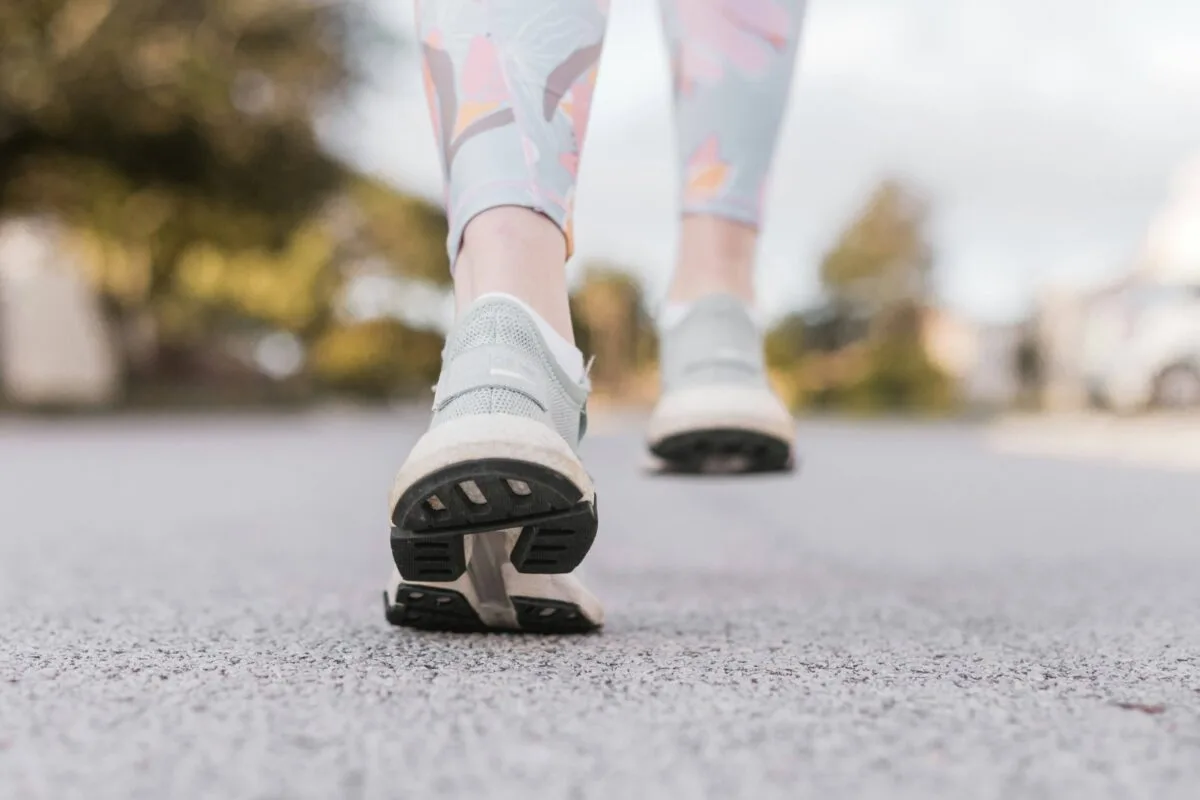


Have you been scrolling through TikTok lately and noticed everyone talking about Japanese Walking? You are not alone. This simple yet powerful walking technique has taken the fitness world by storm in 2026, and for good reason. It requires no gym membership, no equipment, and no special skills — just a pair of comfortable shoes and 30 minutes of your day.
What Is Japanese Walking?
Japanese Walking, also known as interval walking training (IWT), is a method developed by researchers at Shinshu University in Japan. Instead of walking at one steady pace the entire time, you alternate between periods of fast-paced walking and slow, relaxed walking. The original study found that people who followed this technique for five months showed significant improvements in aerobic fitness, muscle strength, and overall energy levels compared to those who walked at a constant pace.
The concept is simple: walk fast for 3 minutes, then slow down for 3 minutes, and repeat this cycle for 30 minutes. That is it.
Why Is It Going Viral in 2026?
Walking yoga and other walking-based trends have seen massive spikes in search interest, with Strava reporting walking as the second most popular sport of 2025, just behind running. PureWow Japanese Walking fits perfectly into this movement because it is accessible, effective, and backed by real science — not just social media hype.
In a world where people are increasingly burned out by high-intensity workout culture, Japanese Walking offers a refreshing alternative that actually delivers results without destroying your joints or your schedule.
Health Benefits of Japanese Walking
1. Burns More Calories Than Regular Walking By alternating your pace, your body works harder during the fast intervals and recovers during the slow ones. This keeps your metabolism elevated throughout the session, helping you burn more calories than you would during a steady-paced walk.
2. Improves Heart Health The interval nature of this walking style gives your cardiovascular system a mini workout with every session. Over time, this strengthens your heart muscle and improves circulation.
3. Builds Leg and Core Strength Participation in mobility-focused and balance-centered fitness activities rose by 27% between 2022 and 2024. ACSM Japanese Walking naturally engages your core and leg muscles more than regular walking, contributing to better stability and strength as you age.
4. Reduces Stress and Improves Mental Health The science is clear that regular physical activity reduces symptoms of anxiety and depression, improves sleep, and builds resilience against stress. Sportsmedicineweekly Japanese Walking, being an outdoor low-impact activity, combines physical movement with mental relaxation — a double benefit for your overall wellbeing.
5. Joint Friendly Unlike running or high-intensity workouts, Japanese Walking puts minimal stress on your knees, hips, and ankles. This makes it ideal for older adults, beginners, and anyone recovering from minor injuries.
How To Do Japanese Walking — Step by Step
Getting started with Japanese Walking is incredibly easy. Here is a simple beginner routine:
Warm Up (5 Minutes) Start with a gentle, slow walk to loosen your muscles and prepare your body for the session.
Interval Cycle (30 Minutes)
- Walk FAST for 3 minutes — aim for a pace where you can still talk but feel slightly breathless
- Walk SLOW for 3 minutes — this is your active recovery phase
- Repeat this cycle 5 times
Cool Down (5 Minutes) Finish with a slow, relaxed walk and some light stretching for your calves, hamstrings, and hips.
Total Time: 40 minutes
Who Should Try Japanese Walking?
Japanese Walking is suitable for almost everyone, including beginners who are just starting their fitness journey, older adults looking for a safe and effective exercise, people who find running too hard on their joints, office workers who want a simple daily movement habit, and anyone looking to lose weight without extreme diets or intense gym sessions.
Japanese Walking vs Regular Walking — Quick Comparison
| Feature | Japanese Walking | Regular Walking |
|---|---|---|
| Calorie Burn | Higher | Moderate |
| Heart Health | Excellent | Good |
| Muscle Engagement | Higher | Moderate |
| Joint Impact | Low | Low |
| Equipment Needed | None | None |
| Time Required | 30-40 mins | 30-60 mins |
Tips To Get The Most Out of Japanese Walking
Keep your posture upright and engage your core during fast intervals. Wear supportive walking shoes to protect your joints. Track your sessions using a fitness app or smartwatch. Sleep, nutrition, and workout data synced across apps can give you a complete view of your health patterns Gold’s Gym — so use wearable tech to monitor your progress over time. Stay consistent — aim for at least 4 sessions per week for best results.
Japanese Walking and 2026 Fitness Culture
Wellness culture in 2026 is shifting away from quick fixes Outside Online and moving toward sustainable, long-term health habits. Japanese Walking fits perfectly into this new mindset. It is not a fad — it is a science-backed practice that has been studied for decades and is now finally getting the global attention it deserves.
Whether you are looking to lose weight, improve your heart health, reduce stress, or simply move your body more every day, Japanese Walking is one of the simplest and most effective habits you can start today.
Conclusion
Japanese Walking is proof that you do not need complicated routines or expensive gym memberships to get fit. With just 30 minutes a day and a pair of good shoes, you can transform your health, boost your energy, and join one of the biggest fitness trends of 2026. Start small, stay consistent, and let this simple Japanese technique change the way you move through life.