
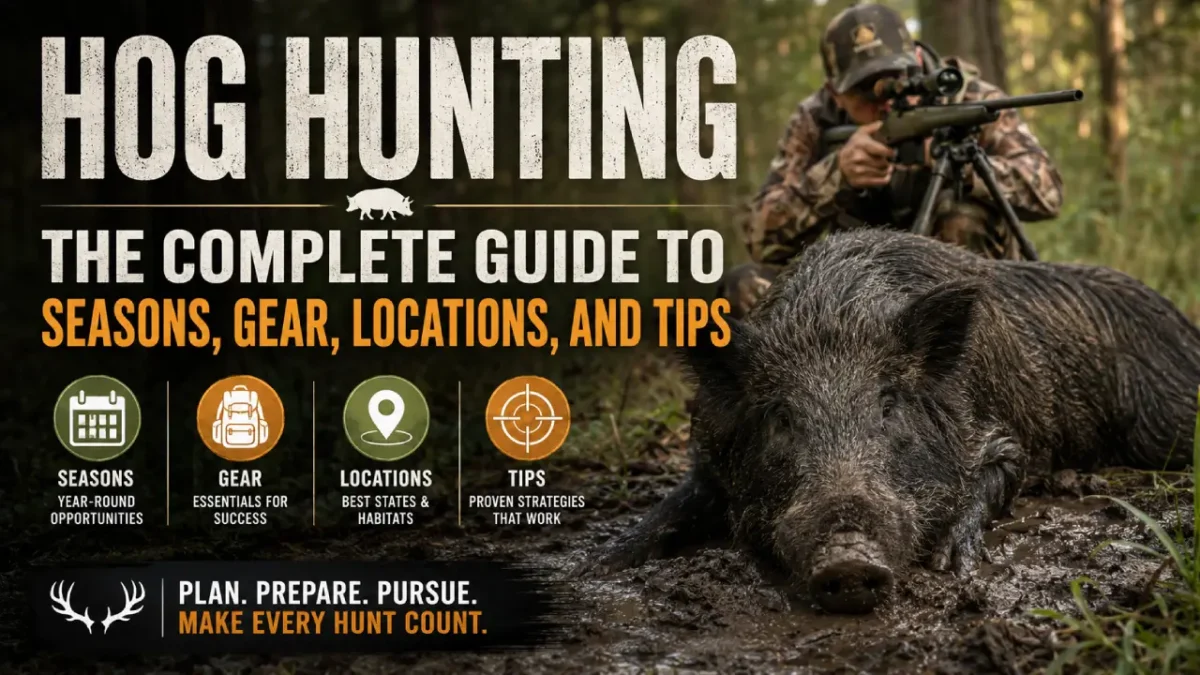

There is something unique about hearing a group of wild hogs moving through thick brush before daylight. The sound of rooting, grunting, and breaking branches often signals that an opportunity is close. Unlike many game animals, wild hogs are active throughout the year, adaptable to different environments, and challenging to hunt due to their intelligence and keen sense of smell.
Today, feral hogs are found across large portions of the United States. Their growing population has created both hunting opportunities and environmental challenges. For hunters, they provide year round action, excellent table fare, and the chance to sharpen hunting skills in a variety of landscapes.
Whether you are planning your first hunt or looking to improve your results, understanding hog behavior, selecting the right equipment, and hunting productive areas can significantly increase your chances of success.
Looking for your next hog hunting adventure? Hunt-Nation connects hunters with trusted outfitters, captains, and professional hunting guides worldwide. With more than 27+ years of experience and access to over 300+ outfitters, captains, and PHs, Hunt-Nation helps outdoor enthusiasts find exceptional hunting and fishing adventures across the globe.
What Is Hog Hunting?
Hog hunting involves pursuing wild pigs that live outside domestic farming operations. These animals are commonly known as feral hogs, wild hogs, or wild boars depending on the region.
Most feral hog populations originate from escaped domestic pigs, Eurasian wild boars, or a combination of both. Over time, these animals adapt to life in the wild and develop characteristics that make them highly resilient.
Wild hogs can thrive in:
- Forests
- Swamps
- Agricultural land
- River bottoms
- Brush country
- Grasslands
- Mountain regions
Their ability to reproduce quickly has made them one of the fastest expanding wildlife populations in North America.
Why Feral Hogs Are a Growing Problem
While wild hogs provide excellent hunting opportunities, they also create significant damage.
Feral hogs are known to:
- Destroy crops and farmland
- Damage fences and irrigation systems
- Compete with native wildlife
- Consume bird eggs and small animals
- Spread disease to livestock
- Cause soil erosion through rooting
Because of these impacts, many states encourage hunters to help control local hog populations.
Understanding Wild Hog Behavior
Successful hunters spend time learning how hogs move, feed, and use different habitats.
Feeding Habits
Wild hogs are opportunistic feeders and consume almost anything available.
Common food sources include:
- Acorns
- Corn
- Soybeans
- Wheat
- Fruits
- Roots
- Insects
- Small reptiles
- Bird eggs
Agricultural fields often attract large groups of hogs because food is abundant and easy to access.
Daily Movement Patterns
Hogs are generally most active during:
- Early morning
- Late evening
- Nighttime
In areas with heavy hunting pressure, hogs often become completely nocturnal.
Bedding Areas
During daylight hours, hogs seek thick cover where they can rest undisturbed.
Popular bedding locations include:
- Cedar thickets
- River bottoms
- Swamps
- Dense brush
- Pine plantations
Water Sources and Wallows
Water is essential for wild hogs.
Because hogs do not sweat efficiently, they use mud wallows to regulate body temperature and reduce insect activity.
Fresh wallows often indicate active hog populations nearby.
Best States for Hog Hunting
Texas
Texas remains the most popular destination for hog hunters.
Benefits include:
- Massive hog population
- Year round hunting opportunities
- Numerous private ranches
- Night hunting options
- High success rates
Many hunters consider Texas the top state for both beginners and experienced hog hunters.
Florida
Florida offers excellent opportunities on both public and private land.
The state’s warm climate supports active hog populations throughout the year.
Oklahoma
Oklahoma continues to experience expanding feral hog populations, particularly in eastern regions.
Hunters benefit from affordable hunting opportunities and diverse terrain.
Georgia
Georgia supports healthy hog populations throughout much of the state.
Agricultural areas and pine forests often provide productive hunting locations.
Louisiana
River systems, swamps, and hardwood forests make Louisiana an attractive destination for hog hunters.
California
California is known for producing large wild boars and quality trophy opportunities.
Best Time for Hog Hunting
One advantage of hog hunting is the ability to hunt throughout the year in many states.
Spring
Spring offers:
- Comfortable temperatures
- Increased feeding activity
- Excellent scouting conditions
Summer
Summer hunting often focuses on:
- Water sources
- Night hunting
- Agricultural fields
Hot weather typically increases nighttime movement.
Fall
Fall provides:
- Cooler temperatures
- Increased feeding activity
- Acorn production
This season often produces consistent opportunities.
Winter
Winter hunting benefits include:
- Better visibility
- Longer daytime movement
- Comfortable hunting conditions
Day vs Night Hog Hunting
Day Hunting
Advantages:
- Better visibility
- Easier shot placement
- Simpler equipment requirements
Challenges:
- Reduced hog activity in pressured areas
Night Hunting
Night hog hunting has become increasingly popular because hogs often move after dark.
Advantages:
- Increased activity
- Less hunting pressure
- Better opportunities on mature hogs
Challenges:
- Additional equipment requirements
- Reduced visibility
- State regulations may vary
Best Weapons for Hog Hunting
Rifles
Popular calibers include:
- .223 Remington
- .243 Winchester
- .308 Winchester
- 6.5 Creedmoor
- 30-06 Springfield
Shotguns
Shotguns loaded with slugs or buckshot can be effective in thick cover.
Bow Hunting
Bow hunting offers close range encounters and an exciting challenge.
Handguns
Experienced hunters sometimes pursue hogs using large caliber handguns where regulations permit.
Essential Hog Hunting Gear
Optics
Quality binoculars help identify movement and locate feeding hogs.
Thermal Scopes
Thermal scopes have transformed night hunting by allowing hunters to detect heat signatures in complete darkness.
Night Vision Equipment
Night vision devices help hunters identify targets during low light conditions.
Rangefinders
Accurate distance estimation improves shot placement.
Hunting Boots
Comfortable waterproof boots are important when covering large areas.
Hunting Packs
A quality pack allows hunters to carry essential gear, water, and emergency supplies.
Hog Hunting Methods
Spot and Stalk Hunting
This method involves locating hogs and carefully closing the distance before taking a shot.
Stand Hunting
Hunters position themselves near feeding areas, trails, or water sources and wait for hogs to arrive.
Bait Hunting
Where legal, bait can help attract hogs to predictable locations.
Popular bait options include:
- Corn
- Fermented grain
- Commercial attractants
Hunting Over Feeders
Feeders can create consistent activity and improve opportunities in areas with large hog populations.
Public Land Hog Hunting
Many hunters enjoy pursuing hogs on public land.
Success often depends on scouting.
Look for:
- Tracks
- Rooting activity
- Wallows
- Trails
- Fresh droppings
Trail cameras can help identify active travel routes and feeding patterns.
Hog Hunting With Dogs
In some states, hunters use trained dogs to locate and hold hogs.
Common dog types include:
- Bay dogs
- Catch dogs
Hunters should always review local regulations before hunting with dogs.
Hog Hunting Regulations
Regulations vary by state and sometimes by hunting area.
Hunters should verify:
- License requirements
- Public land rules
- Night hunting laws
- Weapon restrictions
- Seasonal regulations
Always check official wildlife agency websites before planning a hunt.
Common Mistakes Hog Hunters Make
Ignoring Wind Direction
Hogs possess an excellent sense of smell and can detect human scent from significant distances.
Poor Scouting
Entering an area without understanding hog movement often leads to limited opportunities.
Hunting the Wrong Food Sources
Food preferences can change throughout the year.
Inadequate Equipment
Reliable optics and proper footwear contribute significantly to hunting success.
Moving Too Quickly
Slow, deliberate movement often produces better results than covering large areas rapidly.
Guided Hog Hunting vs DIY Hunting
Guided Hunts
Benefits include:
- Local knowledge
- Increased opportunities
- Less planning
- Access to quality properties
DIY Hunting
Benefits include:
- Lower cost
- Greater flexibility
- Personal challenge
Both approaches can provide rewarding experiences depending on individual goals.
What Happens After the Harvest
Proper meat care begins immediately after the harvest.
Field Dressing
Prompt field dressing helps preserve meat quality.
Cooling the Meat
Warm temperatures require quick cooling to prevent spoilage.
Processing
Many hunters use professional processors, while others choose to process meat themselves.
Storage
Proper packaging and freezing help maintain quality for future meals.
Frequently Asked Questions About Hog Hunting
What is the best state for hog hunting?
Texas is widely considered the best state due to its large hog population and year round opportunities.
Can you hunt hogs year round?
Many states allow year round hunting, but regulations vary.
Is night hog hunting legal?
Some states allow night hunting while others restrict it. Always verify local laws.
What caliber is best for hog hunting?
Popular choices include .308 Winchester, 6.5 Creedmoor, and 30-06 Springfield.
Are thermal scopes worth it?
For nighttime hunting, thermal scopes can significantly improve detection and identification.
What is the best bait for hogs?
Corn remains one of the most commonly used and effective bait options.
Are wild hogs dangerous?
Wild hogs can be aggressive when cornered or wounded, so hunters should exercise caution.
What time of day are hogs most active?
Early morning, late evening, and nighttime are generally the most productive periods.
Conclusion
Hog hunting offers year round opportunities, exciting challenges, and the chance to help manage an invasive species that impacts wildlife and agriculture. Understanding hog behavior, selecting appropriate hunting gear, scouting productive locations, and following local regulations can greatly improve your experience in the field.
Ready to plan your next wild hog hunting adventure? Hunt-Nation helps hunters connect with trusted outfitters, captains, and professional hunting guides around the world. With more than 27 years of dedicated service and access to over 300 outdoor professionals, Hunt-Nation makes it easier to find hunting and fishing experiences that match your goals, budget, and preferred destination.