
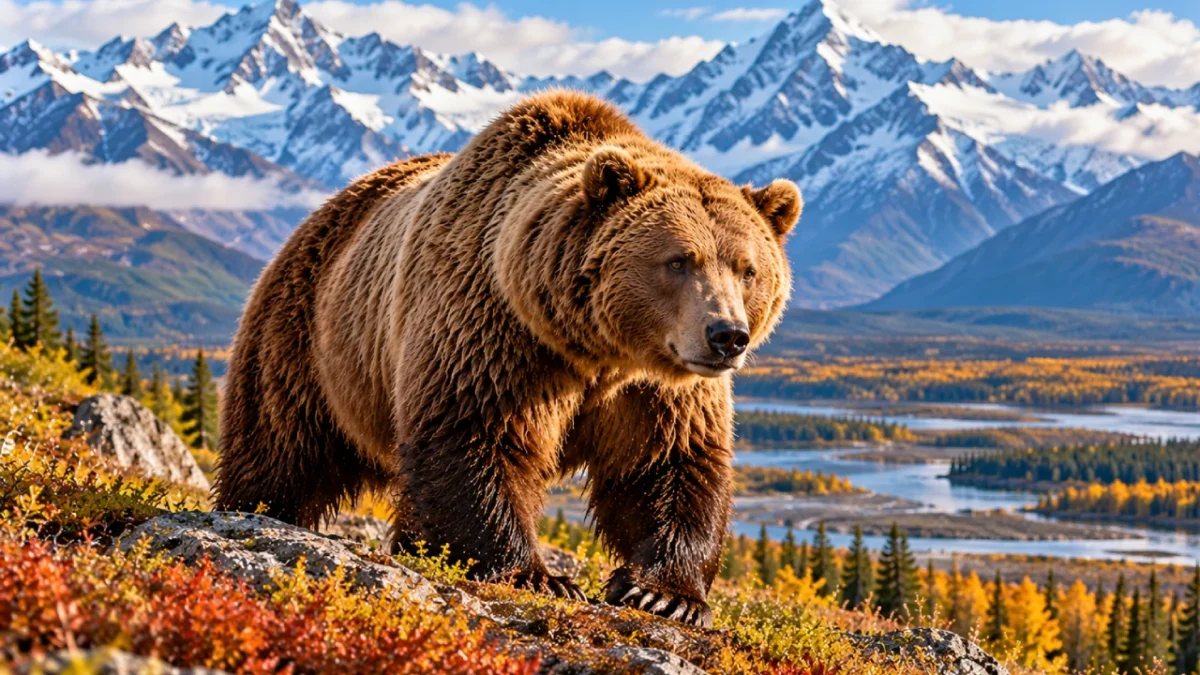

Alaska is home to some of North America’s most remarkable wildlife, and few animals symbolize its wilderness more powerfully than the grizzly bear. From the remote valleys of Interior Alaska to the rugged slopes of the Brooks Range, these animals have adapted to landscapes shaped by extreme seasonal changes and widely distributed food resources.
People researching Alaska grizzly bear outfitters may also want to understand the animals themselves, including their natural habitats, physical characteristics, feeding patterns, and seasonal behavior.
Alaska grizzly bears are intelligent, adaptable mammals that play an important role in northern ecosystems. Understanding their biology provides valuable insight into the landscapes they inhabit and the conservation programs that protect them.
What Makes Alaska Grizzly Bears Unique?
Grizzly bears belong to the species Ursus arctos, which also includes coastal brown bears.
In Alaska, the term “grizzly bear” generally refers to brown bears living in northern and interior regions, while “coastal brown bear” commonly describes populations living near productive coastal ecosystems.
This distinction is largely geographic and ecological rather than a difference between two separate species.
Interior grizzlies typically experience colder winters, shorter growing seasons, and different food availability compared with their coastal relatives.
Their characteristics include:
- Powerful shoulder muscles
- Prominent shoulder humps
- Long claws adapted for digging
- Exceptional senses of smell
- Seasonal changes in body weight
- Adaptability to diverse northern habitats
Although grizzlies are often associated with brown fur, their coats can range from dark brown to lighter blond shades.
Where Do Grizzly Bears Live in Alaska?
Alaska grizzly bears occupy a wide range of environments.
Their distribution includes interior forests, mountain valleys, tundra landscapes, alpine areas, and river systems.
Interior Alaska
Interior Alaska supports grizzly populations across extensive forested and mountainous landscapes.
These environments offer a combination of vegetation, small mammals, seasonal berries, and other natural food sources.
Food availability can vary substantially between locations.
As a result, population densities are often lower than those found in highly productive coastal environments.
Brooks Range
The Brooks Range stretches across northern Alaska and contains extensive mountain and tundra ecosystems.
Grizzly bears living in this region experience demanding environmental conditions, including long winters and relatively short periods of abundant vegetation.
Their survival depends on adapting to seasonal food availability and conserving energy during periods of limited resources.
Alaska Range
The Alaska Range contains mountains, river valleys, alpine vegetation, and forested habitats.
These landscapes support brown bears along with other large mammals.
The distribution of bears changes with seasonal conditions and available resources.
Alaska Grizzly Bear vs. Coastal Brown Bear
One of the most common questions about Alaska’s bears concerns the difference between grizzlies and coastal brown bears.
Both belong to the same species, but their environments influence physical development and behavior.
Body Size
Coastal brown bears are often larger because they have access to abundant nutritional resources, including salmon.
Interior grizzlies generally depend on a more varied combination of vegetation and animal food sources.
However, size varies among individuals, and the distinction is not absolute.
Diet
Coastal bears frequently benefit from seasonal salmon runs.
Interior grizzlies may rely more heavily on berries, roots, grasses, small mammals, and other locally available resources.
Habitat
Coastal bears occupy environments influenced by marine resources and relatively mild coastal climates.
Interior grizzlies inhabit landscapes where winter conditions can be more severe and food resources more widely distributed.
These differences demonstrate how animals of the same species adapt to different ecological conditions.
How Big Are Alaska Grizzly Bears?
Grizzly bear size varies according to age, sex, genetics, nutrition, and seasonal conditions.
Adult males are generally larger than females.
Bears also experience substantial changes in weight throughout the year.
Physical Characteristics
Grizzlies have powerful forelimbs and muscular shoulders.
Their shoulder hump supports activities such as digging and moving through challenging terrain.
Long claws help them access roots and other food sources.
Seasonal Weight Changes
Grizzly bears typically weigh less following winter denning.
As food becomes more abundant during summer and autumn, they accumulate energy reserves.
These reserves support survival during the winter months.
Why Body Size Varies
The size of an individual bear depends on several interacting factors.
Genetics establish biological potential, while nutrition and environmental conditions influence growth and physical condition.
Consequently, not every Alaska grizzly reaches the same size.
What Do Alaska Grizzly Bears Eat?
Grizzly bears are omnivores, consuming both plant and animal material.
Their diet changes with season, habitat, and food availability.
Spring Feeding
Following winter denning, grizzlies may consume emerging vegetation, roots, and other available resources.
In some regions, animal food sources also contribute to their diet.
Summer Nutrition
Summer provides a wider variety of plants, berries, insects, and other foods.
Bears take advantage of seasonal resources as they become available.
Autumn Feeding
Autumn is an important period for building energy reserves before winter.
During this time, bears may consume large quantities of food.
This seasonal increase in feeding activity is known as hyperphagia.
Alaska Grizzly Bear Seasonal Behavior
Grizzly behavior changes considerably throughout the year.
Temperature, daylight, food availability, and reproductive conditions influence activity.
Spring Emergence
Bears generally emerge from winter dens during spring, although timing varies by region and individual.
After emerging, they begin using available food resources.
Summer Activity
During summer, grizzlies may move among different habitats as vegetation develops and seasonal food becomes available.
They are generally solitary, although interactions occur during breeding and around concentrated food sources.
Autumn Preparation
As winter approaches, bears accumulate fat reserves.
Their seasonal activity reflects the importance of obtaining sufficient energy before denning.
Winter Denning
Most grizzly bears spend winter in dens.
During denning, their heart rate and metabolic activity decrease, allowing them to conserve energy.
The duration of denning depends on climate, location, sex, and reproductive condition.
Grizzly Bear Reproduction and Cubs
Female grizzly bears typically give birth during winter denning.
Newborn cubs are small and depend entirely on their mothers.
They remain with their mothers after leaving the den and gradually learn behaviors necessary for survival.
Maternal Care
Mother bears provide protection, nourishment, and opportunities for young bears to learn about their environment.
This extended period of parental care is an important part of grizzly bear development.
Reproductive Challenges
Grizzly bears reproduce relatively slowly compared with many smaller mammals.
Females invest considerable time and energy in raising offspring.
This reproductive pattern makes long-term population monitoring especially important.
The Ecological Importance of Alaska Grizzly Bears
Grizzly bears contribute to Alaska’s ecosystems in several ways.
As omnivores, they interact with a wide range of plants and animals.
Their feeding activities can influence nutrient movement, vegetation communities, and interactions among wildlife species.
Nutrient Distribution
Bears consume food across different habitats.
Their movement and feeding behavior can contribute to nutrient redistribution within ecosystems.
Interactions With Other Wildlife
Grizzlies interact with other mammals, scavengers, and wildlife populations.
These relationships are part of the ecological complexity of northern Alaska.
Ecosystem Health
Healthy grizzly populations depend on functioning habitats and adequate food resources.
Conservation efforts therefore consider broader environmental conditions rather than focusing exclusively on individual animals.
Alaska Grizzly Bear Conservation
Alaska’s grizzly populations are monitored through wildlife research and management programs.
The Alaska Department of Fish and Game evaluates population conditions, habitat availability, and other ecological factors.
Habitat Protection
Large connected landscapes provide space for seasonal movement, feeding, reproduction, and denning.
Protecting these environments benefits grizzly bears and numerous other wildlife species.
Scientific Monitoring
Researchers use population surveys, biological studies, and habitat assessments to understand bear populations.
This information supports long-term wildlife management.
Human-Wildlife Conflict Prevention
Interactions between bears and people can create challenges, particularly where food or garbage attracts wildlife.
Proper food storage, public education, and responsible land management help reduce preventable conflicts.
Responsible Wildlife Observation in Alaska
Observing grizzly bears in their natural environment requires respect for wildlife and appropriate safety precautions.
Visitors should follow official park guidance, maintain required distances, and avoid disturbing bears.
Food and other attractants should be stored according to local regulations.
The National Park Service and Alaska Department of Fish and Game provide educational resources about bear behavior and safety.
Understanding these guidelines helps protect both people and wildlife.
Learn More About Alaska Wildlife
Readers interested in grizzly bear ecology and conservation can explore these resources:
- Alaska Department of Fish and Game
- National Park Service – Brown Bears
- Alaska Wildlife Conservation Center
For general information about wilderness destinations and outdoor experiences, visit Hunt Nation.
Learning about Alaska’s wildlife and natural landscapes provides a stronger understanding of the ecosystems that support grizzly populations.
Frequently Asked Questions
1. Are Alaska grizzly bears and brown bears the same species?
Yes. Grizzly bears and brown bears belong to the species Ursus arctos. In Alaska, the term grizzly generally refers to interior populations, while coastal populations are commonly called brown bears.
2. What do grizzly bears eat in Alaska?
Alaska grizzlies consume a varied diet that may include berries, roots, grasses, insects, small mammals, and other animal food sources. Their diet depends on habitat and season.
3. Do Alaska grizzly bears hibernate during winter?
Most Alaska grizzlies spend winter in dens, conserving energy through reduced metabolic activity. Denning duration varies according to regional climate and individual circumstances.
Final Thoughts
Alaska grizzly bears are remarkable animals that have adapted to some of North America’s most demanding natural environments.
Their powerful physical characteristics, flexible diets, seasonal behavior, and ecological relationships make them an important part of Alaska’s wildlife heritage.
From the forests of Interior Alaska to the remote mountains of the Brooks Range, these bears demonstrate the close connection between wildlife and habitat.
Understanding grizzly bear biology, conservation, and seasonal adaptations provides a deeper appreciation for Alaska’s wilderness.
Continued habitat protection, scientific research, and responsible wildlife management will remain essential to maintaining healthy grizzly bear populations.