
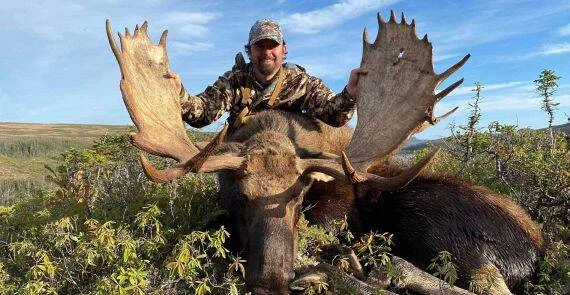


Moose hunting is one of the most challenging and rewarding big game hunts in North America. With massive body size unpredictable behavior and strict regulations moose require careful planning legal knowledge and real hunting skill.
This complete guide covers everything hunters search for about moose hunting, including where it is legal best seasons states like Alaska and Canada required gear hunting strategies meat quality safety and expert planning advice from Hunt Nation.
What Is a Moose
The moose is the largest member of the deer family and one of the most powerful land animals hunted today. Known for its long leg’s massive antlers and solitary nature moose demand respect preparation and ethical hunting practices.
Moose Identification
- Scientific name Alces alces
- Adult bull weight 1000 to 1500 pounds
- Shoulder height up to 7 feet
- Antlers can span over 6 feet
- Thick dark brown coat
Moose are not aggressive by nature but can be dangerous when wounded or during the rut.
Where Is Moose Hunting Legal
Moose hunting is highly regulated and only legal in specific regions with healthy populations.
United States
- Alaska
- Maine
- Colorado
- Wyoming
- Montana
- Idaho
- Utah
Alaska accounts for the majority of US moose hunts and offers both guided and limited self guided opportunities.
Canada
Moose hunting is legal in most provinces including:
- Alberta
- British Columbia
- Newfoundland
- Ontario
- Quebec
Each province has unique licensing and season structures.
Always check local wildlife agencies before planning a hunt.
Moose Hunting Seasons
Moose hunting seasons vary by location but generally occur in fall.
Typical season timing:
- Early September through October
- Peak rut activity mid-September
- Some late seasons extend into November
Archery seasons usually open earlier followed by rifle seasons.
Moose Behavior Hunters Must Understand
Daily Activity
- Most active early morning and late evening
- Feed heavily in wetlands forests and river bottoms
- Move less during warm midday temperatures
Rut Behavior
- Bulls respond aggressively to cow calls
- Increased movement and visibility
- Best opportunity for calling tactics
Understanding moose behavior is critical for success and safety.
Moose Hunting Methods
Spot and Stalk
Used in open tundra river valleys and alpine areas. Requires glassing patience and long-distance shooting skills.
Calling
Highly effective during the rut. Mimicking cow calls or bull grunts can draw mature bulls into range.
Stand and Ambush
Less common but effective near feeding areas travel routes and water crossings.
Moose Hunting Gear and Equipment
Firearms and Calibers
Common ethical calibers include:
- 300 Winchester Magnum
- 338 Winchester Magnum
- 30 06 Springfield
- 375 H and H
Shot placement is more important than caliber.
Essential Gear
- Quality optics
- GPS and maps
- Survival gear
- Game processing equipment
- Heavy duty packs
Moose hunts often take place in remote dangerous terrain so preparation is critical.
Shot Placement and Ethics
Ethical shot placement is vital due to the moose’s size.
- Aim behind the shoulder
- Broadside shots preferred
- Avoid frontal or running shots
- Be prepared for follow up shots
A wounded moose can travel far and enter dangerous terrain or water.
Moose Meat Quality
Moose meat is highly valued and often feeds families for an entire year.
Meat Characteristics
- Lean and mild
- Excellent for roasts steaks and ground meat
- Low fat high protein
Proper field dressing cooling and meat care are essential especially in warm or wet conditions.
Cost of Moose Hunting
Moose hunting costs vary significantly.
- Resident tag hunts lower cost
- Nonresident guided hunts can range from 15000 to 30000 dollars
- Alaska fly in hunts increase cost
- Canada offers more affordable options in some regions
Budgeting must include licenses gear travel meat transport and processing.
Guided vs Self-Guided Moose Hunts
Guided Hunts
- Higher success rates
- Legal compliance support
- Safer for remote regions
- Ideal for non-residents
Self-Guided Hunts
- Lower cost
- Requires advanced skills
- Greater risk and responsibility
Choosing the right option depends on experience location and goals.
Planning a moose hunt and need professional guidance
Phone: +1 307 637 5495
Email:info@hunt-nation.com
Hunt Nation helps hunters plan legal ethical and successful moose hunting experiences.
Moose Hunting Safety
Moose hunting occurs in rugged remote areas often shared with bears wolves and harsh weather.
Safety essentials include:
- Bear awareness
- Emergency communication
- Proper navigation
- Physical conditioning
Never underestimate terrain or weather conditions.
Frequently Asked Questions About Moose Hunting
Can you hunt moose in the United States
Yes, moose hunting is legal in select states including Alaska Maine and several western states.
What is the best state for moose hunting
Alaska offers the largest population and most opportunities for moose hunting.
When is the best time to hunt moose
The best time is during the fall rut when bulls are active and responsive to calls.
Is moose hunting dangerous
It can be dangerous due to animal size remote locations and weather but proper preparation reduces risk.
Is moose meat good to eat
Yes, moose meat is lean flavorful and considered one of the best wild game meats.
Looking for professional moose hunting advice guided hunts or planning support
Phone: +1 307 637 5495
Email: mailto:info@hunt-nation.com
Contact Hunt Nation and hunt moose with confidence expertise and responsibility.